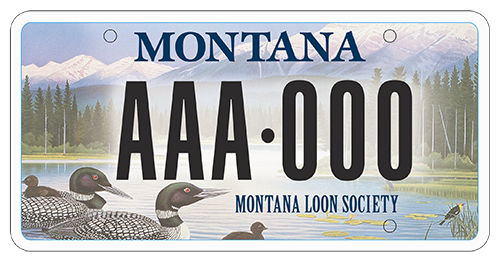
![]() Montana Loons |
||||||||||||||
| Montana Loon Society Boater Information | ||||||||||||||
![]() |
||||||||||||||
| RESPONSIBLE WATERCRAFT USE and MONTANAS LOONS
Montana has many treasures, including its beautiful mountain lakes. The common loon, known for its haunting calls and striking black and white breeding plumage, use a number of these lakes for their summer nesting grounds. Watercraft operators are naturally drawn to these lakes and often come into close contact with loons. Responsible watercraft use will help ensure that both humans and loons continue to share Montanas lakes. |
||||||||||||||
![]() |
![]() |
|||||||||||||
| MONTANAS NESTING LOONS
Of the 65 pairs that attempt to nest, only 24-26 pairs successfully hatch and raise 1 to 2 chicks each year. Nests are usually on small islands in marshy areas such as bays, coves, inlets or backwaters. The nesting season in May and June is the loons most critical time. Loons arent like ducks and geese that have large broods. Loons only lay 2 eggs, which both parents take turns incubating for 28-29 days. |
||||||||||||||
|
||||||||||||||
![]() |
||||||||||||||
|
Loon chicks rest, feed, and grow in and around their territory during the months of June, July, and August. Look for them in backwaters and along the shore. |
||||||||||||||
| BOAT TRAFFIC CAN CAUSE LOSS OF CHICKS Young chicks are not waterproof. They need to be able to climb up on their parents backs to stay warm and dry. When watercraft come close parents leave their chicks to defend their territory. This also leaves them vulnerable to predation from eagles or large fish. Young chicks are very buoyant. They cant dive quickly to get out of the way and can be run over. Chicks tire easily. The presence of watercraft causes them to keep swimming instead of feeding and resting. This can weaken them affecting their ability to survive. |
![]() |
|||||||||||||
![]() |
WAYS WATERCRAFT AFFECT LOONS Canoes slip quietly into nesting areas and can startle loons off nests. Fishing boats, especially bass and pike anglers, spend lots of time in water perfect for nest sites. Speedboats send waves crashing into the shoreline and can wash eggs from nests. PLEASE STAY OUTSIDE THE SIGNED NESTING AREA. Personal watercraft and motorized boats can speed too close to a foraging loon family and may run over chicks. Loons give a warning when you are too close. Their distress call sounds like a laugh. It means, PLEASE MOVE AWAY. LISTEN FOR AND HEED THIS CALL. If you see a loon dancing by raising its chest straight up out of the water and slapping the water with its wings, it is URGENT THAT YOU MOVE AWAY. |
|||||||||||||
![]() |
||||||||||||||
|
Enjoy loons from a distance. Listen to their lovely, haunting calls. Enjoy the solitude of Montana. Loons need this solitude to breed and raise their young. If the loons are gone, your solitude might be slipping away too. |
||||||||||||||